How Push Notifications Drive User Engagement Without Annoying Customers
Push notifications are one of the most powerful — and most misunderstood — tools in a digital marketer's arsenal. When done right, they create genuine moments of value that pull users back into your product. When done wrong, they become digital noise that erodes trust and drives unsubscribes. This presentation breaks down the principles behind push notifications that actually work: earning attention, building habits, and turning a single tap into a lasting relationship.
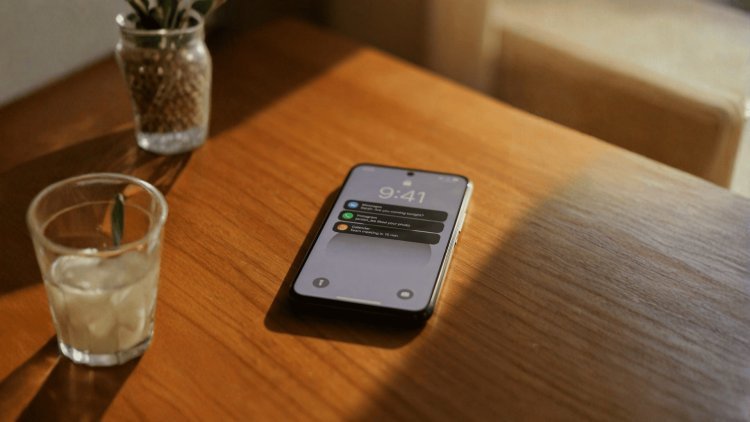
The Core Problem: Push Can Feel Like "Mobile Email"
Intended as a Signal.
Experienced as a Broadcast.
The User Response Escalates
Permission Loss Is Hard to Reverse
Research consistently shows that notification fatigue is one of the top reasons users revoke push permissions — and once that permission is gone, it rarely comes back.
Better Copy Alone Will Not Fix Push
The challenge isn't just writing better copy. It's fundamentally rethinking who receives a notification, why they receive it, and when it lands in their day. Everything else flows from getting those three things right.
Three Questions Before Every Send
Move From Volume to Relevance
Push works best when it feels less like a marketing channel and more like a useful feature of the product itself. Every notification should justify the interruption by delivering contextual value to the right user at the right moment.
Push Should Feel Personal, Timely, and Worth the Interruption
The fundamental push notification problem is not primarily a copywriting problem. It is a targeting, relevance, and timing problem. When notifications become generic broadcast messages, users begin treating them like mobile email and eventually ignore, disable, or escape them altogether. A better strategy begins by deciding who genuinely needs the message, why the message creates value, and when that value is greatest. Get those three decisions right, and push becomes a useful extension of the product rather than another source of digital noise.
The most effective push notification strategies share a common philosophy: they treat every notification as one interaction in an ongoing relationship between a brand and a real person — not as a standalone promotional event. This shift in mental model changes everything about how you design, write, target, and measure push.
Every notification you send is a deposit or a withdrawal from your user's trust account. Send too many irrelevant messages, and the account goes negative — permanently.
A friend doesn't text you "40% off this weekend only!" — they send you something because it's genuinely relevant to you, right now. That's the bar your notifications should clear. Every message should feel like it was composed with this specific user in mind, not blasted from a marketing calendar.
The ultimate goal of a push notification strategy is behavioral integration — becoming part of how users naturally move through their day. Think of how weather apps, fitness trackers, and news apps deliver morning updates that users actually look forward to. That kind of habit formation is the highest form of engagement a brand can achieve.
Campaign thinking optimizes for the next send. Relationship thinking optimizes for the next six months. When you start measuring success by long-term retention, session frequency, and opt-out rate rather than just click-through on a single blast, your entire strategy realigns around what actually builds loyalty.
The strongest push notification programs earn attention through relevance, become useful enough to form habits, and measure success across the relationship rather than a single campaign. Every message should strengthen the reason a user keeps notifications enabled.
Make It a Relationship, Not a Campaign
Every Notification Has a Balance
Three Shifts That Change Push Strategy
Think Like a Friend, Not a Broadcaster
Earn a Place in Their Daily Routine
Play the Long Game
Build Permission Before Demanding Attention
The permission request is one of the most influential moments in the entire notification lifecycle. Success comes not from maximizing opt-ins, but from earning meaningful consent from users who genuinely want ongoing communication.
Asking for notification access the moment someone lands provides no context, no trust, and no demonstrated value.
Generic permission dialogs fail because users are never told what alerts they will receive or why those alerts matter.
Treating every visitor identically ignores engagement signals and wastes valuable permission opportunities.
Wait until users complete a meaningful activity such as reading an article, viewing a product, or starting checkout.
Explain the value proposition before triggering the native browser or mobile permission dialog.
Tell users exactly what they will receive, such as sale alerts, order updates, restock notifications, or account activity.
Allow users to control categories, frequency, and timing to reduce long-term unsubscribe rates.
The goal is not to accumulate the largest possible audience. The goal is to build a high-intent subscriber base that values your messages. Smaller, highly engaged audiences consistently outperform larger uninterested lists in open rates, conversions, engagement, and long-term retention.
Start With Consent That Doesn't Feel Intrusive
Biggest Mistakes Brands Make
Opt-In Philosophy
Best Practices for Earning Opt-In
Delay the Request
Use Pre-Permission Screens
Be Specific
Offer Preferences
Focus on Subscriber Quality, Not Quantity
The difference between a push notification that drives action and one that gets dismissed in under a second comes down to three interlocking disciplines: personalization, timing, and continuous testing. Master all three and your notifications stop feeling like interruptions and start feeling like assistance.
High-performing push strategies are built around context, behavioral timing, and evidence rather than generic broadcasts or intuition.
"You left something behind — your [Product Name] is still waiting." This is one of the highest-converting push use cases, with some platforms reporting 3–5x the click-through rate of generic promotions.
"Still thinking about [Category]? Here's what's trending right now." Warm a cold lead with something relevant to their last session.
Congratulate users on streaks, completed actions, or loyalty milestones. These feel celebratory rather than promotional.
"The item on your wishlist just dropped in price" is a notification users often thank you for. It's genuinely useful information tied to user intent.
Relevance Engineering: Personalize, Time, and Test
Personalize the Message.
Respect the Moment. Test the Assumption.Start With Intent
Even the most perfectly timed, flawlessly personalized notification will underperform if the words don't compel action. Notification copywriting is a craft: you have roughly 50–90 characters and less than two seconds of attention to make your case. Here's how to make every word earn its place.
Research into notification engagement consistently shows that messages performing best at the intersection of two qualities: they're intriguing enough to create curiosity, and useful enough to deliver real value when tapped. Neither alone is sufficient.
Clickbait creates curiosity without delivering meaningful value. Users feel deceived, revoke permissions, and your brand suffers.
Even valuable information can be ignored when it lacks a hook strong enough to cut through the notification shade.
Great copy is the final layer on top of a solid strategic foundation. Before you write a single word, make sure these systems are in place:
Personalized push notifications generate on average twice the click-through rate of generic broadcast messages.
Nearly 60% of users who disable push permissions cite receiving too many irrelevant notifications as the primary reason.
Delaying the permission prompt by at least 10 seconds — after value is demonstrated — significantly improves opt-in acceptance rates.
The brands that win with push notifications aren't the ones who send the most — they're the ones who've built systems that ensure every single send is worth the user's attention. That discipline, applied consistently, is what transforms push from a broadcast tool into a genuine competitive advantage.
Write Like You Deserve Attention — and Prove It
The “Enticing but Useful” Principle
Enticing Without Utility
Useful Without Enticement
Building a Smart, Sustainable Strategy
The Numbers Behind Better Push
Make Every Send Worth the Attention
What's Your Reaction?